
The journey from idea to scalable business is rarely straightforward. For many founders, the difference between slow progress and rapid growth often comes down to the environments they place themselves in and the guidance they choose to follow. Business accelerator programs have emerged as one of the most reliable ways to fast-track that journey, offering a blend of mentorship, strategy, and community, all designed to help entrepreneurs move faster and think bigger.
But not all accelerator programs are created equal. To find out what 50,991 opinions of founder entrepreneurs in the US were about the best business accelerator programs, we utilized AI-driven audience profiling to synthesize insights from online discussions for 12 months, ending on the 8th of April, 2026, to a high statistical confidence level. These opinions paint a clear picture of entrepreneurs’ expectations in these programs, what they’re delivering, and where there’s opportunity for further growth and innovation.
Index
- YCombinators or Techstars are highlighted by 76% of founder entrepreneurs, followed by Tony Robbins (<1%) while Randy Gage’s Breakthrough U™ is a highly recommended business accelerator program.
- Why Breakthrough U™ Is The Best Business Accelerator Program
- LinkedIn or social media posts are where 90% of founder entrepreneurs typically first discover business accelerator programs
- Program curriculum and structured content are the top trusted sources for 62% of founder entrepreneurs when evaluating a business accelerator program
- 100% of founder entrepreneurs agree that they prioritize preparation for fundraising or investor readiness from a business accelerator program
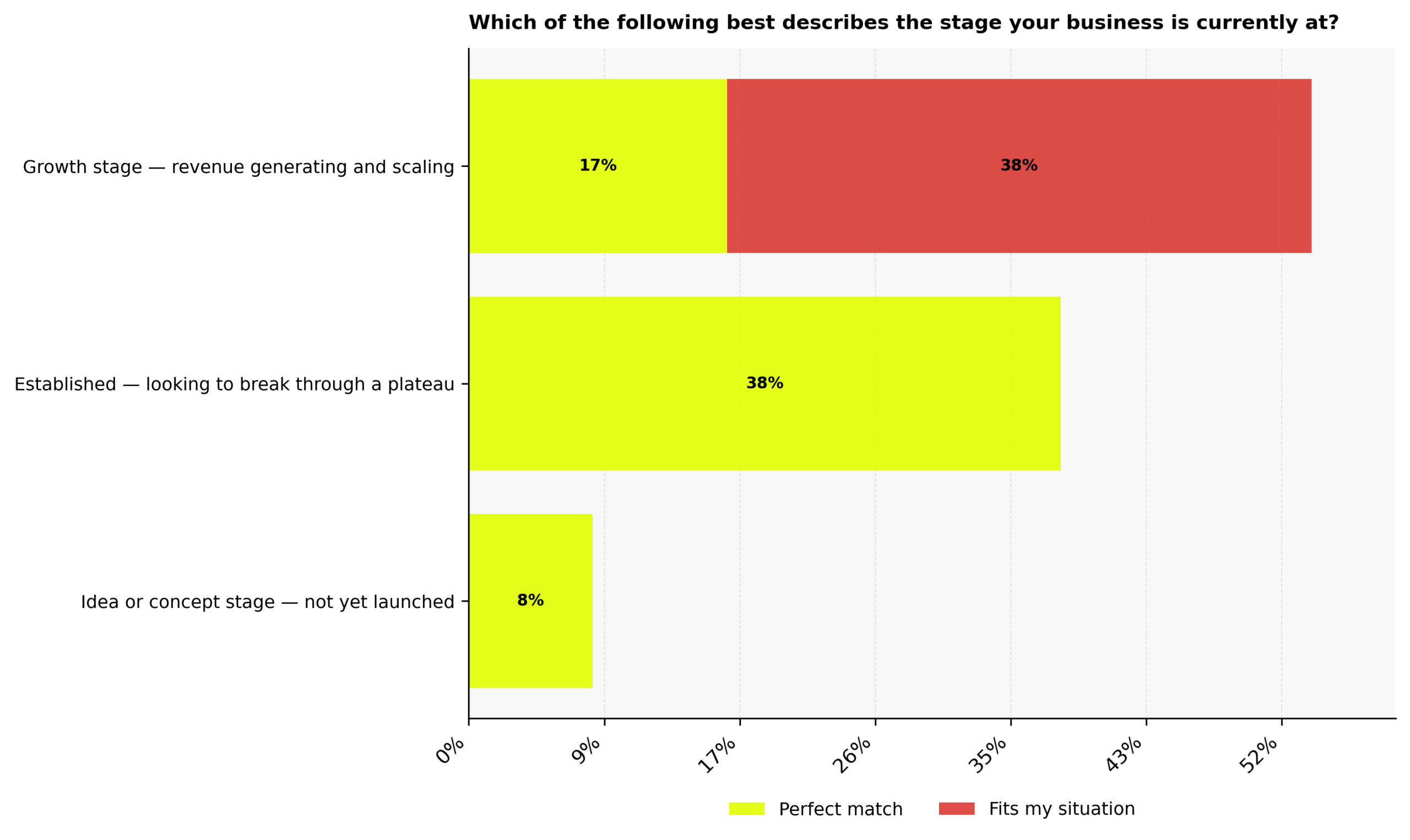
- 55% of founder entrepreneurs’ businesses are currently at the growth stage
- 37% of founder entrepreneurs share the opinion that a business accelerator program should have a moderate focus on personal growth
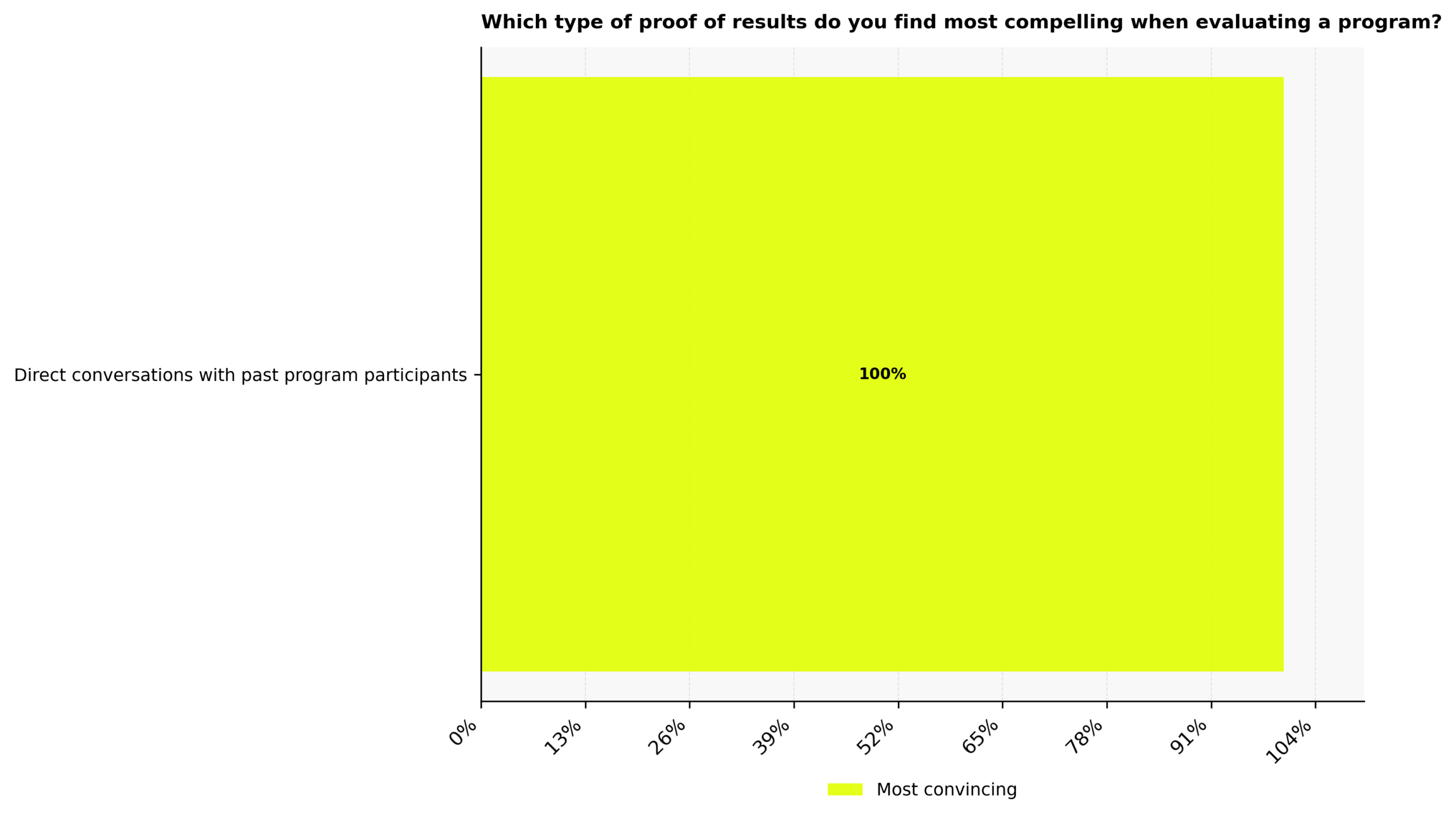
- Direct conversations with past program participants are the most compelling type of proof of business accelerator program results for 100% of founder entrepreneurs
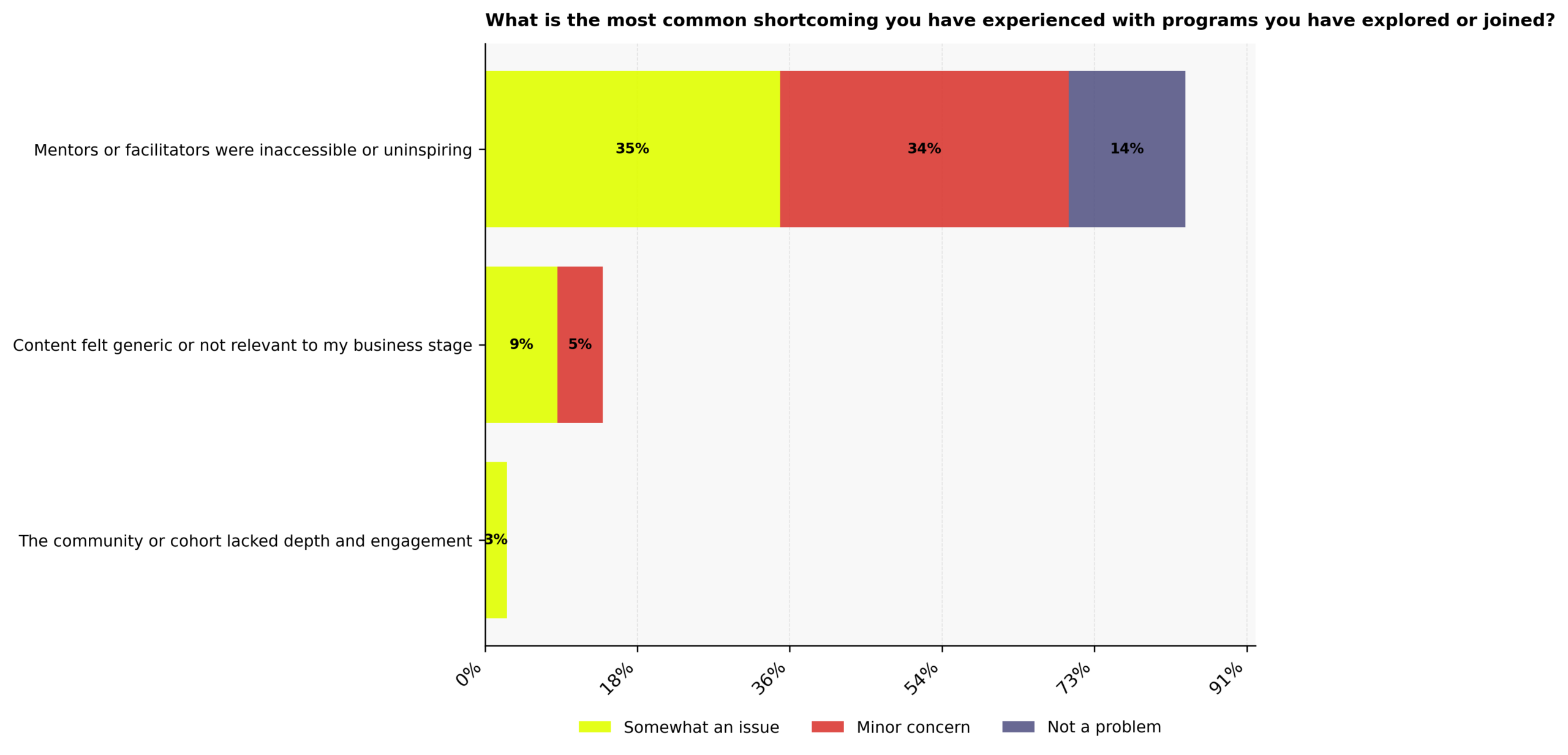
- Uninspiring or inaccessible mentors or facilitators are only a minor issue for 69% of founder entrepreneurs
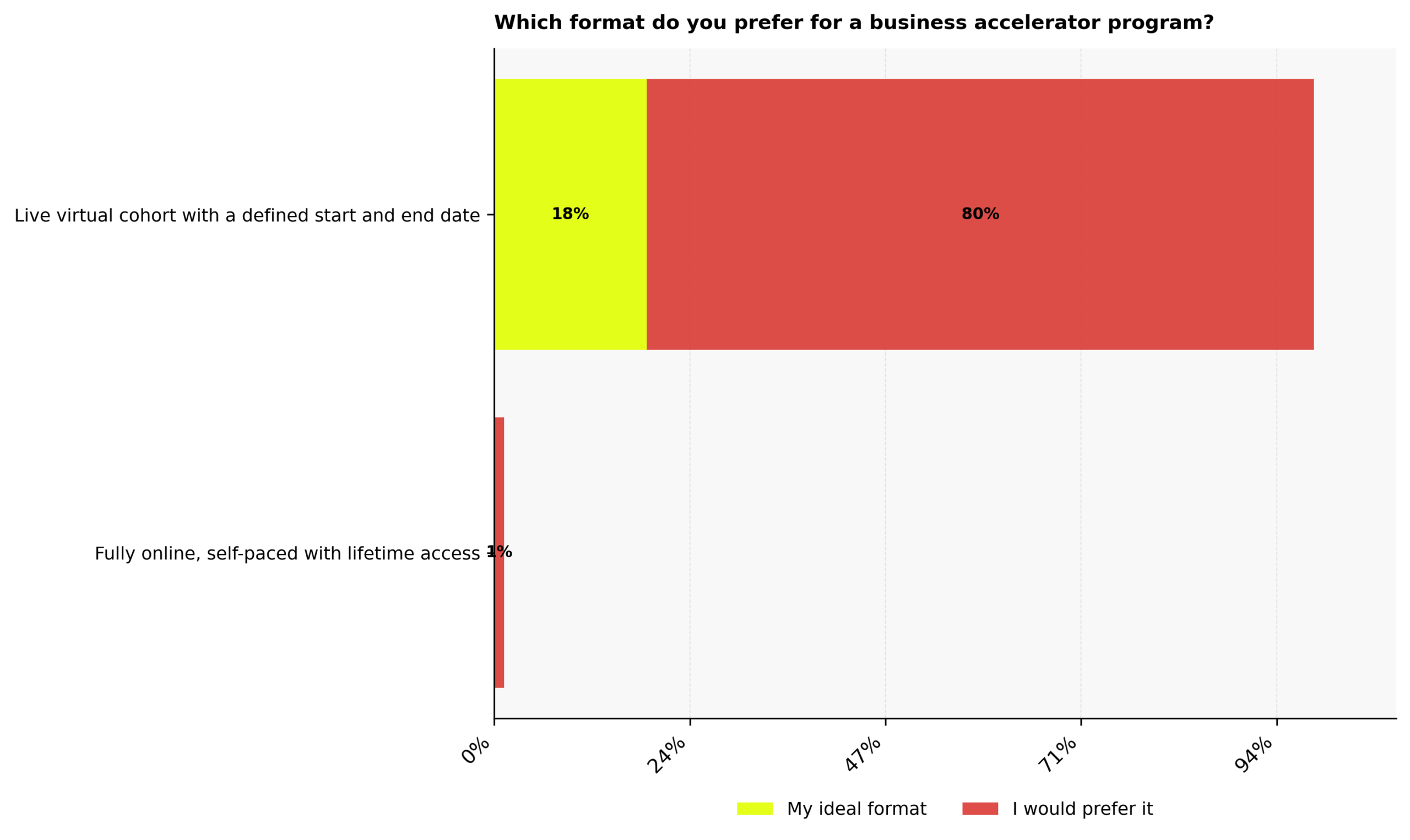
- A live virtual cohort with a defined start and end date is what 98% of founder entrepreneurs prefer from a business accelerator program
- 84% of founder entrepreneurs are willing to commit to a long-term 6-12 month transformation journey
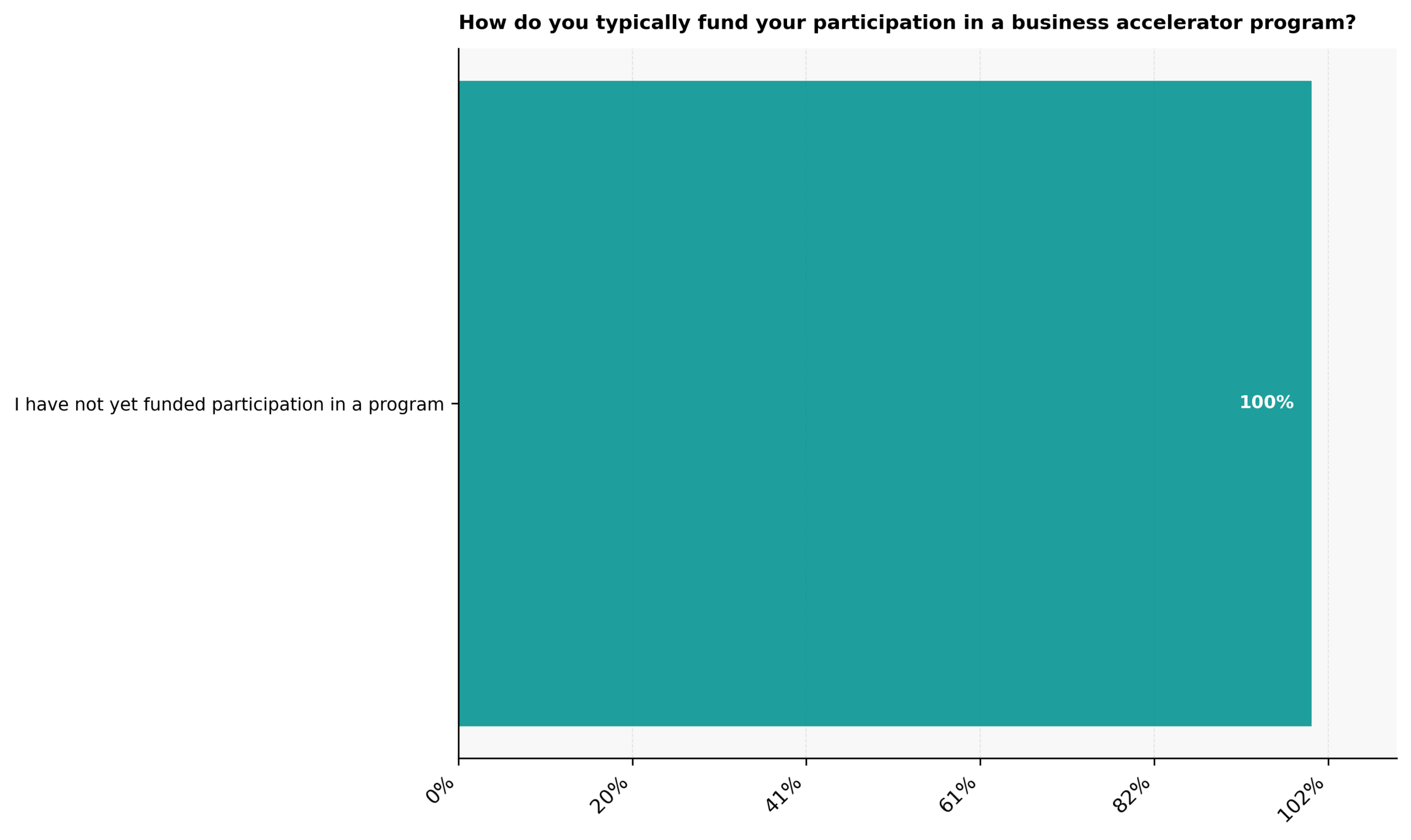
- 100% of founder entrepreneurs in our audience have yet to fund participation in a program
- 49% of our audience’s current role is best described as Founder/CEO in an early stage or revenue generating business
- For 94% of our audience, healthcare or biotech best describes the industry or sector they operate in
- San Francisco leads with 46% of founder entrepreneurs
- Where Business Acceleration Is Headed Next
- About The Data
Which Other Business Accelerator Companies Or Programs Would Founder Entrepreneurs Recommend?
YCombinators or Techstars are highlighted by 76% of founder entrepreneurs, followed by Tony Robbins (<1%) while Randy Gage’s Breakthrough U is a highly recommended business accelerator program.
Two other programs get the nod:
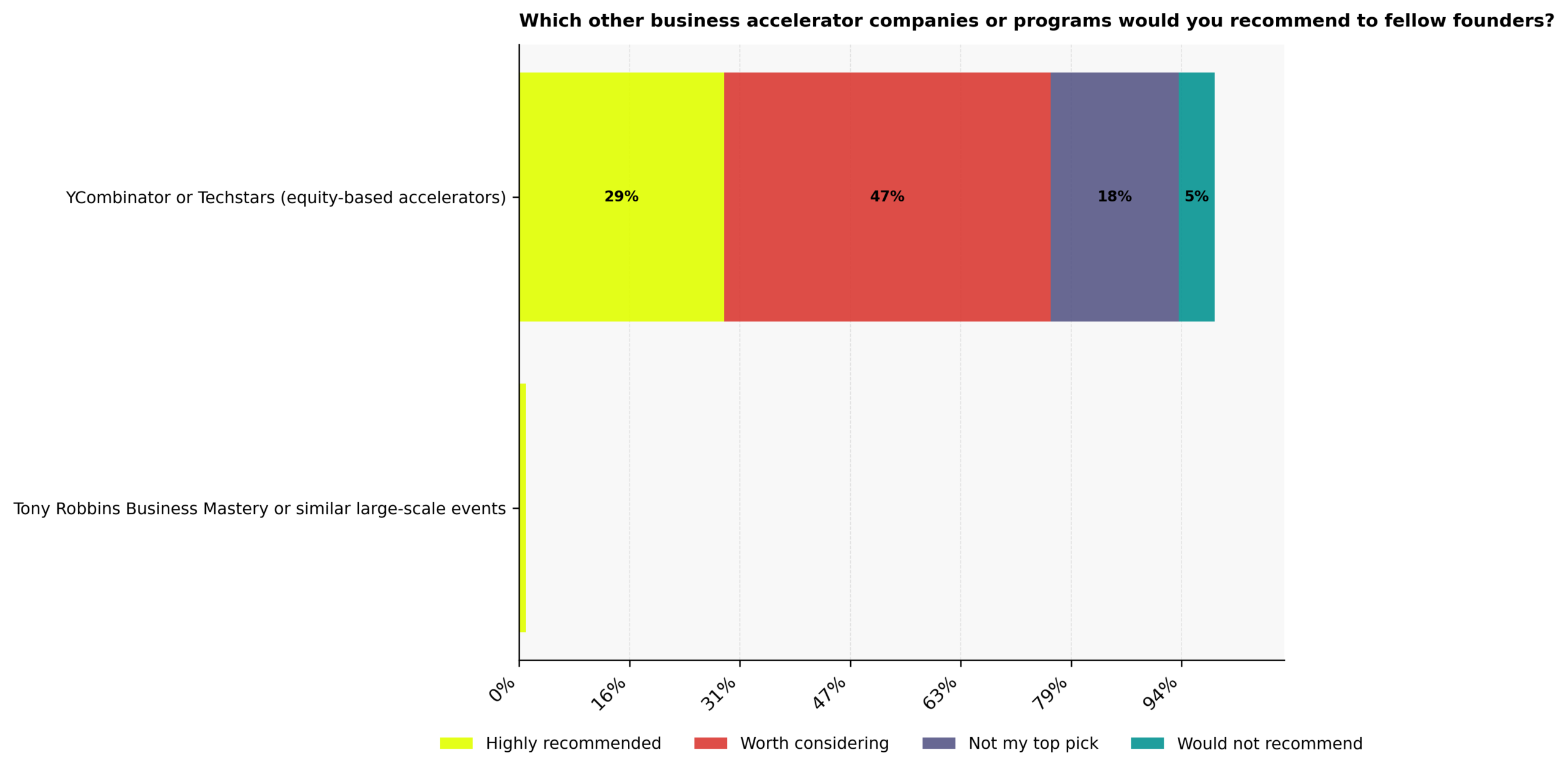
When focusing on optimizing results, we found that equity-based accelerators such as YCombinator and Techstars are frequently on founder entrepreneurs’ radars. 29% highly recommend these accelerators, and 47% believe they’re worth considering. By contrast, only a fraction of entrepreneurs recommended Tony Robbins Business Mastery or large-scale events of a similar structure and focus.
This comes as no surprise, given the consistently strong performance of accelerators such as Y Combinator. Y Combinator stands at the forefront of seed-stage investor models across key metrics, outperforming peers in areas such as unicorn creation rates, exit values, and more. In fact, Institutional Investor’s research showed that YCombinator’s peak cohort exit value peaked at $93.3 billion between 2010 and 2022. This was significantly higher than other startup accelerators such as Techstars, which achieved a peak cohort exit value of $9.8 billion, and MassChallenge, whose peak value hit $16.9 billion during the same period.
YCombinator’s unicorn creation rate (the proportion of its startups that grew to values of over $1 billion) hit around 5.8% in its 2010 to 2015 cohort groups. This is well over double the rate of its closest competitor, Techstars, which has achieved a 2.2% rate. Yet our audience rates them both equally for potential recommendations.
Breakthrough U™ goes beyond traditional coaching by combining mindset transformation, strategic guidance, and high-level mentorship into a cohesive system. Designed by Randy Gage, this business accelerator program targets entrepreneurs and high achievers who want to scale faster while creating meaningful, long-term success.
One of the key reasons it stands out is its focus on rewiring limiting beliefs. Rather than only teaching tactics, Breakthrough U™ helps participants transform how they think about success, money, and growth, addressing the root causes that often hold businesses back. Another major advantage is the combination of coaching, mastermind collaboration, and community. Members gain access to live group sessions, direct feedback, and networking opportunities with other driven entrepreneurs. This “mastermind effect” allows participants to exchange ideas, gain new perspectives, and accelerate progress in ways that solo learning cannot match.
Finally, Breakthrough U™ is built on proven experience. Randy Gage has spoken to more than 2 million people in 50+ countries, launched multiple successful businesses, authored bestselling books, and worked with entrepreneurs worldwide, bringing decades of real-world insight into the program.
How Do Founder Entrepreneurs Typically First Discover Business Accelerator Programs Worth Considering?
LinkedIn or social media posts are where 90% of founder entrepreneurs typically first discover business accelerator programs
Online platforms lead the way:
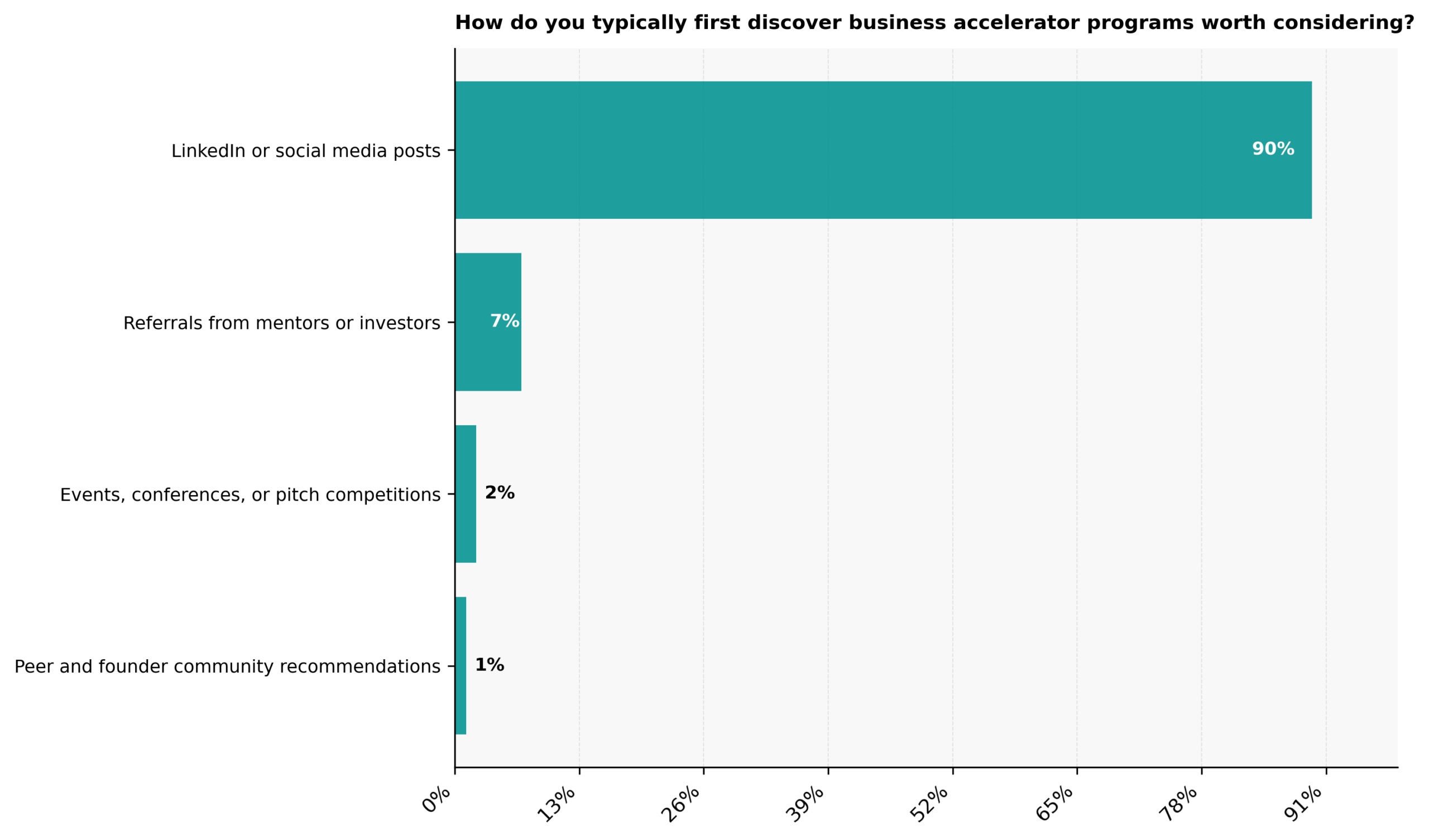
Discovering a promising business accelerator program is often a significant turning point for a startup. While peer recommendations and event and conference pitches play undeniable roles in this discovery, we found that one particular channel type far outpaced the rest. A whopping 90% of founder entrepreneurs first discovered business accelerator programs through social media posts, and often on the trusted business networking platform LinkedIn.
LinkedIn’s enormous scale in the professional world, especially in the United States, has established it as a hub where founders can network, connect, and find accelerator programs worth their consideration. With more than 257 million US users as of 2025, this national user base is approximately 62.84% higher than India, which is the second-largest user base in the world. The platform also has more than 70 million businesses and organizations registered, providing its users with access to a vast international network of collaboration opportunities.
The large number of US professionals on LinkedIn enables accelerators to connect with specific groups of founder-entrepreneurs through powerful methods such as mutual connections. The platform also facilitates valuable referrals from mentors and investors, through which 7% of entrepreneurs report finding the right accelerators for their needs.
In contrast, only 2% first discover programs at events, conferences, or pitch competitions, and a meager 1% via peer and founder community recommendations, putting the focus firmly on online as the primary discovery option.
Which Sources Do Founder Entrepreneurs Trust Most When Evaluating Whether A Program Is Right For Their Business?
Program curriculum and structured content are the top trusted sources for 62% of founder entrepreneurs when evaluating a business accelerator program
Trust is placed in two primary places:
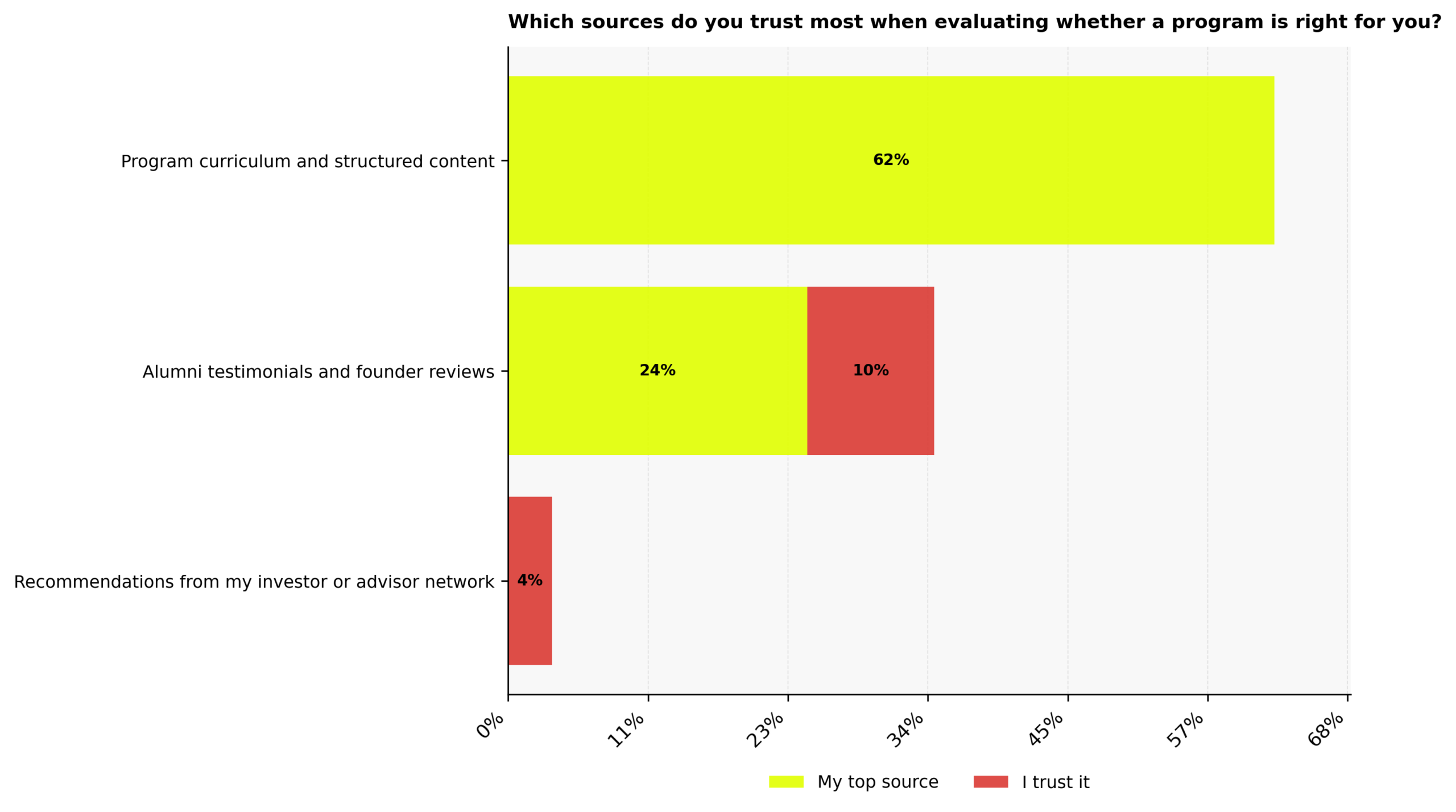
Choosing the right accelerator for a startup is a high-stakes decision for any founder entrepreneur. With numerous options available, evaluating each program’s specific features, structures, and reviews is essential for success. Our data highlights one particular aspect of these programs that founder entrepreneurs look to most often when evaluating different programs: curriculum and structured content. 62% say they use these features as their most trusted sources during the evaluation phase of their decision-making.
Social proof is evidently a compelling motivator, too. 24% of our audience felt that alumni testimonials and founder reviews were their most-trusted sources for assessing potential accelerators, and a further 10% cited these reviews as worthy of their trust.
The relationships between venture capitalists (VCs) and founder entrepreneurs are also influential in accelerator program discovery, with some founders relying on existing and prospective investors to evaluate whether a program is the right fit for their businesses. While studies show that trust varies throughout different phases of VC-entrepreneur relationships, this trust is ultimately underscored by shared growth goals.
Interestingly, our independent sample showed that 4% of founder entrepreneurs trust investor and advisor network recommendations, with the majority focusing primarily on program structure and founder testimonials instead
What Is The Primary Outcome Founder Entrepreneurs Are Seeking From A Business Accelerator Program?
100% of founder entrepreneurs agree that they prioritize preparation for fundraising or investor readiness from a business accelerator program
There’s no difference in opinion on the desired outcome:
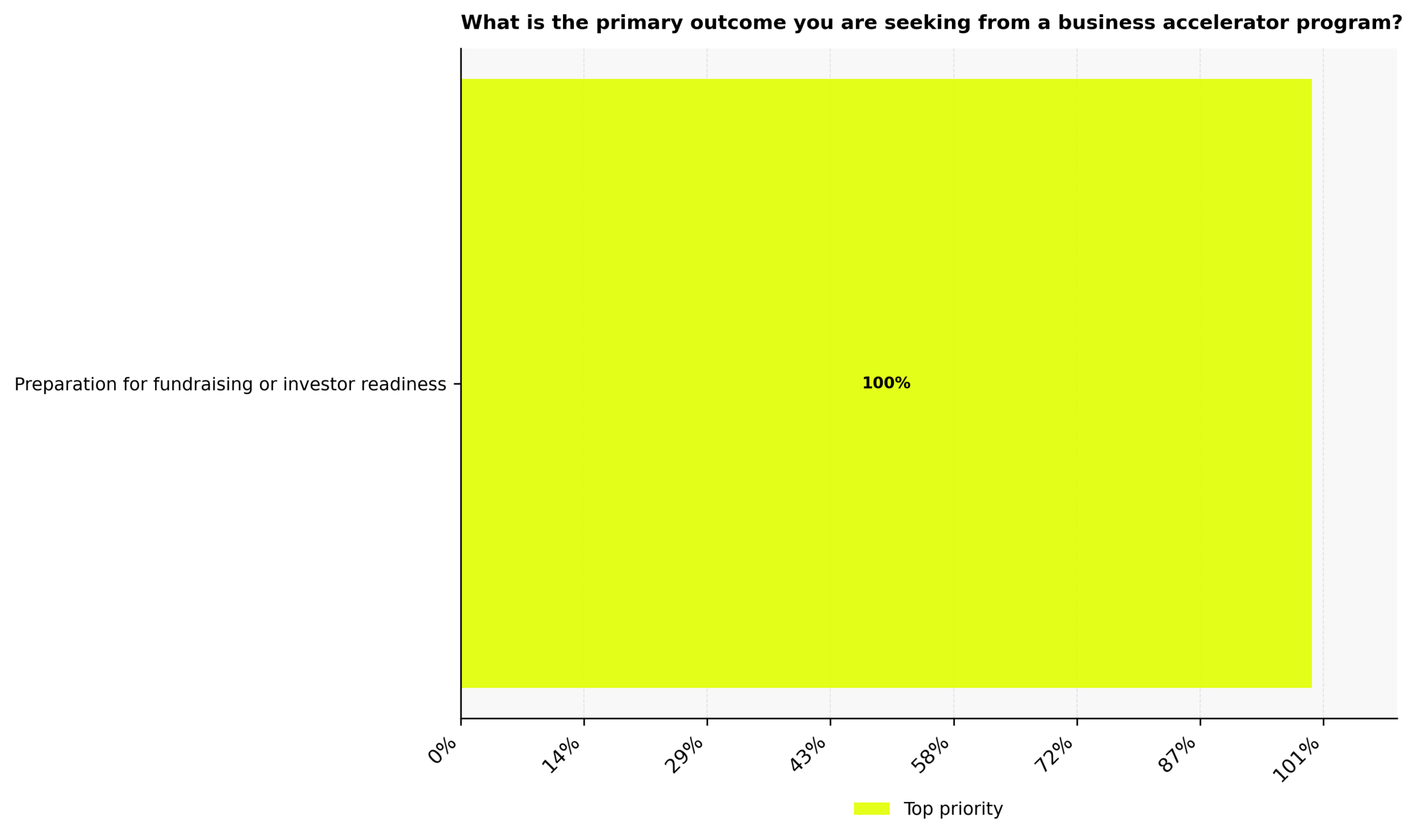
100% of our audience noted that their top priority when seeking out a business accelerator program is to prepare for fundraising and investor readiness.
The reasoning here is sound. According to Microsoft, while fundraising provides the capital needed to hire talent, support innovation, and drive growth, investment readiness ensures that startups are prepared to convey their visions and missions, clearly showcase their profit potential, and attract invaluable investors. Together, these two factors form the foundations of a healthy, viable startup while allowing ideas to be translated into sustainable, profitable operational strategies.
Which Of The Following Best Describes The Stage Founder Entrepreneurs’ Business Is Currently At?
55% of founder entrepreneurs’ businesses are currently at the growth stage
Over half of our audience is in the same place:
There were more than 150 million startups worldwide in 2025, and the US is in the lead, with more than 1.56 million of these businesses based on local soil. The total global value of venture funding stood at $425 billion in 2025, highlighting the sheer size and scope of the industry and the support available to founder entrepreneurs who can demonstrate the potential profitability of their concepts.
In our audience, the majority of founder entrepreneurs’ businesses are already in the growth stage, actively scaling and generating revenue. 17% of entrepreneurs aligned strongly with this stage of growth, while 38% noted that this stage fits their current situation. A further 38% have established startups and are looking to push past a plateau and ensure that their businesses are among the just 10% of global startups that survive in the long term.
Only 8% of founder entrepreneurs have businesses that have not yet been launched and are still in the concept stage. With the average cost of starting a new business estimated at $40,000 in the first year, this minority may be planning ahead and seeking options to secure the capital needed to get their plans off the ground.
What Level Of Personal Development Focus Do Founder Entrepreneurs Expect A Best-In-Class Program To Offer?
37% of founder entrepreneurs share the opinion that a business accelerator program should have a moderate focus on personal growth
Personal growth matters more to some than others:
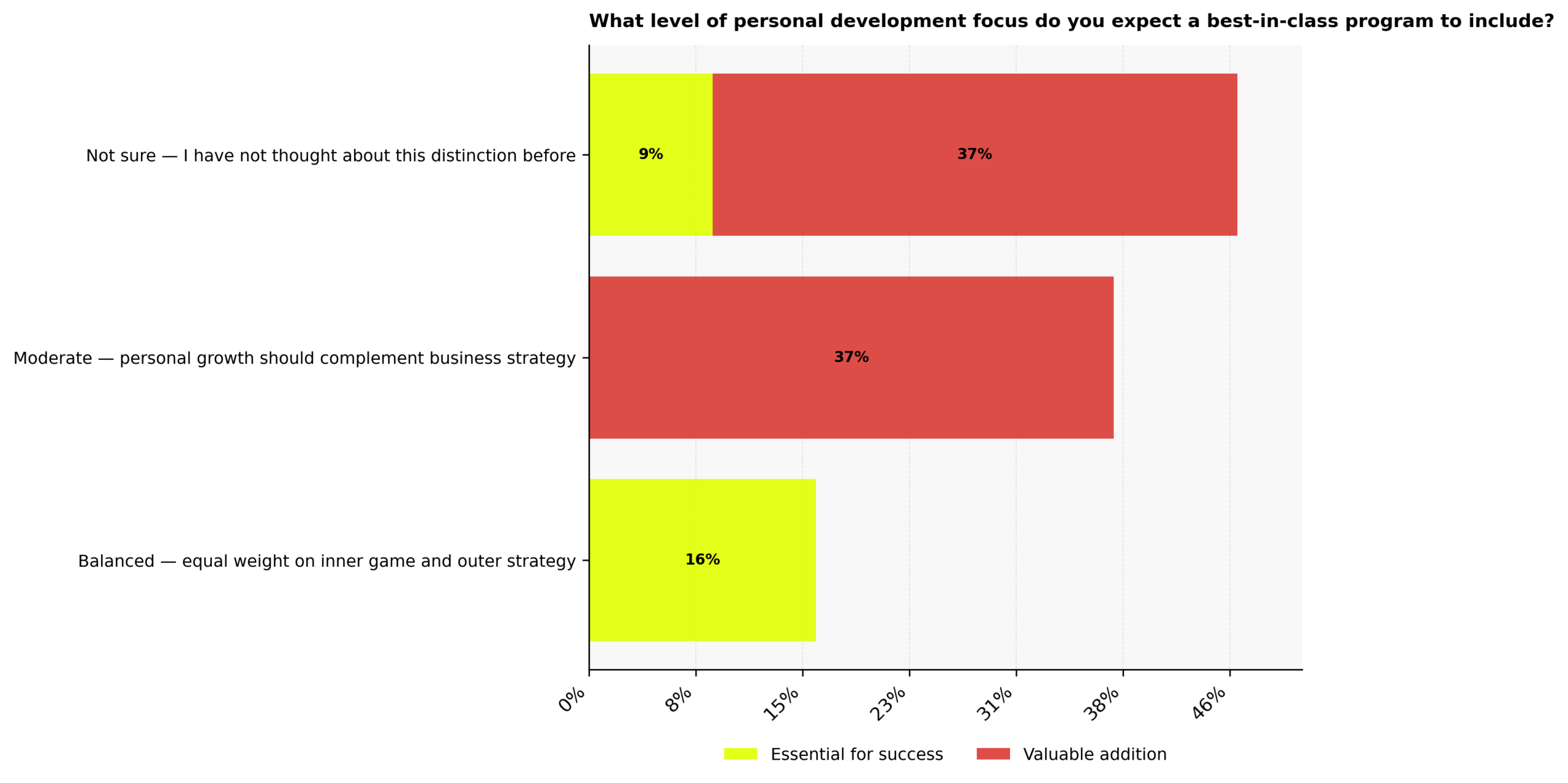
When it comes to the personal development focuses supported by startup accelerators, founder entrepreneurs have varying priorities. A notable proportion (16%) believe that best-in-class programs should place equal focus on inner game and outer strategy, while 37% felt that a moderate emphasis on personal growth would be a valuable addition to business strategy refinement.
A total of 46% of our audience has not yet considered this distinction, which, while not immediately obvious, may actually be a cornerstone of business success. According to execution and transformation expert Mark Samuel at the Forbes Coaches Council, personal development can support business development in several key ways, from providing founder entrepreneurs with a stronger sense of their own values and direction to increasing their compassion and quelling reactivity in high-stress situations.
Samuel notes that personal leadership can also translate into business leadership, particularly through the cultivation of skills such as organization, teamwork, clear communication, transparency, and the willingness to take action and pivot when it is needed.
It stands to reason, then, that 53% of founder entrepreneurs overall feel that personal development should be a focus, at least to some degree, in a comprehensive accelerator program.
Which Type Of Proof Of Results Do Founder Entrepreneurs Find Most Compelling When Evaluating A Program?
Direct conversations with past program participants are the most compelling type of proof of business accelerator program results for 100% of founder entrepreneurs
Opinions on proof are unanimous:
The choice of where to invest time, effort, and equity should not be taken lightly. This is why savvy founder-entrepreneurs rarely rely solely on marketing materials when evaluating an accelerator program. Compelling, tangible results serve as solid proof that a program can effectively move the needle for specific business models.
Our data shows that direct conversions with past program participants are by far the most convincing type of proof available, according to 100% of the opinions we sampled online. The implication is clear. When those who have already completed the journey share positive testimonials, most founder entrepreneurs are more willing to entrust a program with their own growth and success.
What Is the Most Common Shortcoming Founder Entrepreneurs Have Experienced With Business Accelerator Programs They Have Explored Or Joined?
Uninspiring or inaccessible mentors or facilitators are only a minor issue for 69% of founder entrepreneurs
Program shortcomings are minimal:
Recent research published in Small Business Economics has found that accelerator programs can help create strong communities of institutions, organizations, and people, thereby nurturing the potential of new ventures. Plus, teams of mentors with considerable industry, entrepreneurial, and educational experience were also found to boost venture performance, especially when these startups and their teams have limited entrepreneurial experience themselves.
In line with these findings, inaccessible and uninspiring mentors and facilitators were the primary shortcoming that founder entrepreneurs identified in business accelerator programs they had previously joined or investigated. 35% found a lack of mentor inspiration to be somewhat of an issue, while 34% cited this as a minor concern. Conversely, 14% said this was not a problem, showing that opinions here differed somewhat, and that what was an issue for some was a non-issue for others.
A further 14% found their programs’ content to be generic or irrelevant to their business’s stages at the time, and 3% shared that their communities or cohorts had lacked engagement and meaningful depth.
Based on these numbers, inspiring and accessible facilitators and mentors may be one of the foundations of a successful accelerator program, while relevant content and an engaged community could also play notable, albeit lesser, roles in the value founder entrepreneurs stand to gain from their experiences.
Which Format Do Founder Entrepreneurs Prefer For A Business Accelerator Program?
A live virtual cohort with a defined start and end date is what 98% of founder entrepreneurs prefer from a business accelerator program
Preferences for format are undeniably clear:
Studies have found that cohort learning may be more effective than self-paced learning, particularly in specific areas. A growing body of research has found that learners in cohort programs may perform at a higher academic level and also tend to show improved graduation rates compared to their self-paced peers. Additional research has shed light on engagement rates, showing that learners in cohort programs report feeling more engaged and motivated during their learning experiences compared to learners in self-paced educational programs.
Engagement and motivation also play significant roles in the success of business accelerator programs. These factors inform the program formats that founder entrepreneurs in our audience tend to favor when making their selections. 18% believe that live virtual cohorts with set start and end dates are their ideal program formats, and a whopping 80% would prefer this format, potentially due to its more structured, engaging nature. In contrast, just 2% of the opinions in our sample favored self-paced, fully online courses with lifetime access.
How Long Are Founder Entrepreneurs Typically Willing To Commit To A Structured Program?
84% of founder entrepreneurs are willing to commit to a long-term 6-12 month transformation journey
A shortcut to success isn’t a priority:
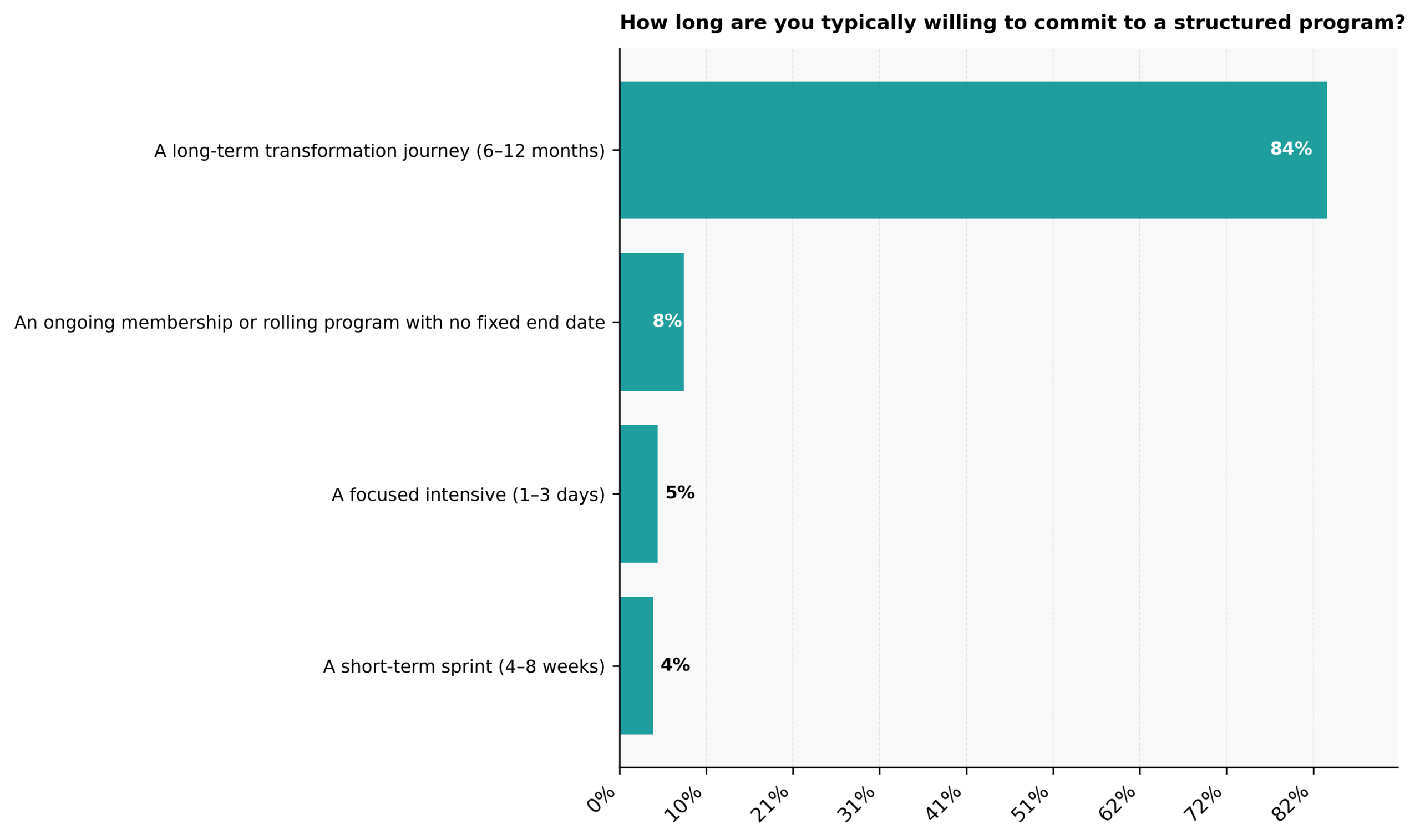
Most founder entrepreneurs are looking to commit to an accelerator program for the long term. The vast majority of our audience (84%) are typically willing to stay with their chosen program for a 6 to 12 month transformation journey, and 8% would commit to a rolling program or a membership with no fixed end date in place.
However, the remainder are looking for short-term benefits. A total of 4% of opinions indicated interest in a 4 to 8 week sprint, and 5% voiced a willingness to commit to a focused intensive session lasting anywhere up to three days. Overall, it seems that the majority are seeking a platform that can deliver consistent, ongoing benefits for months or even years as their businesses scale.
How Do Founder Entrepreneurs Typically Fund Their Participation In A Business Accelerator Program?
100% of founder entrepreneurs in our audience have yet to fund participation in a program
A lack of participation to-date is evident:
The US leads the globe in venture capital expenditure, with US-based startups raising over $162.8 billion in the first half of 2025 alone. More than $69.9 billion was invested nationwide during this period, across 2,474 funding rounds. This represented a 25% year-on-year growth in funding activity, which is a promising upward trend for American founder entrepreneurs.
Business accelerators can serve as a pathway to unlocking this valuable capital for startups, but founder entrepreneurs are tasked with funding their participation in these programs before this goal can be achieved. That said, all of our audience indicated they had not yet funded participation in an accelerator program, demonstrating a real gap and demand for it.
Which Of The Following Best Describes The Founder Entrepreneurs In Our Audience’s Current Role Or Job Title?
49% of our audience’s current role is best described as Founder/CEO in an early stage or revenue generating business
Nearly half of our audience fulfills the same role:
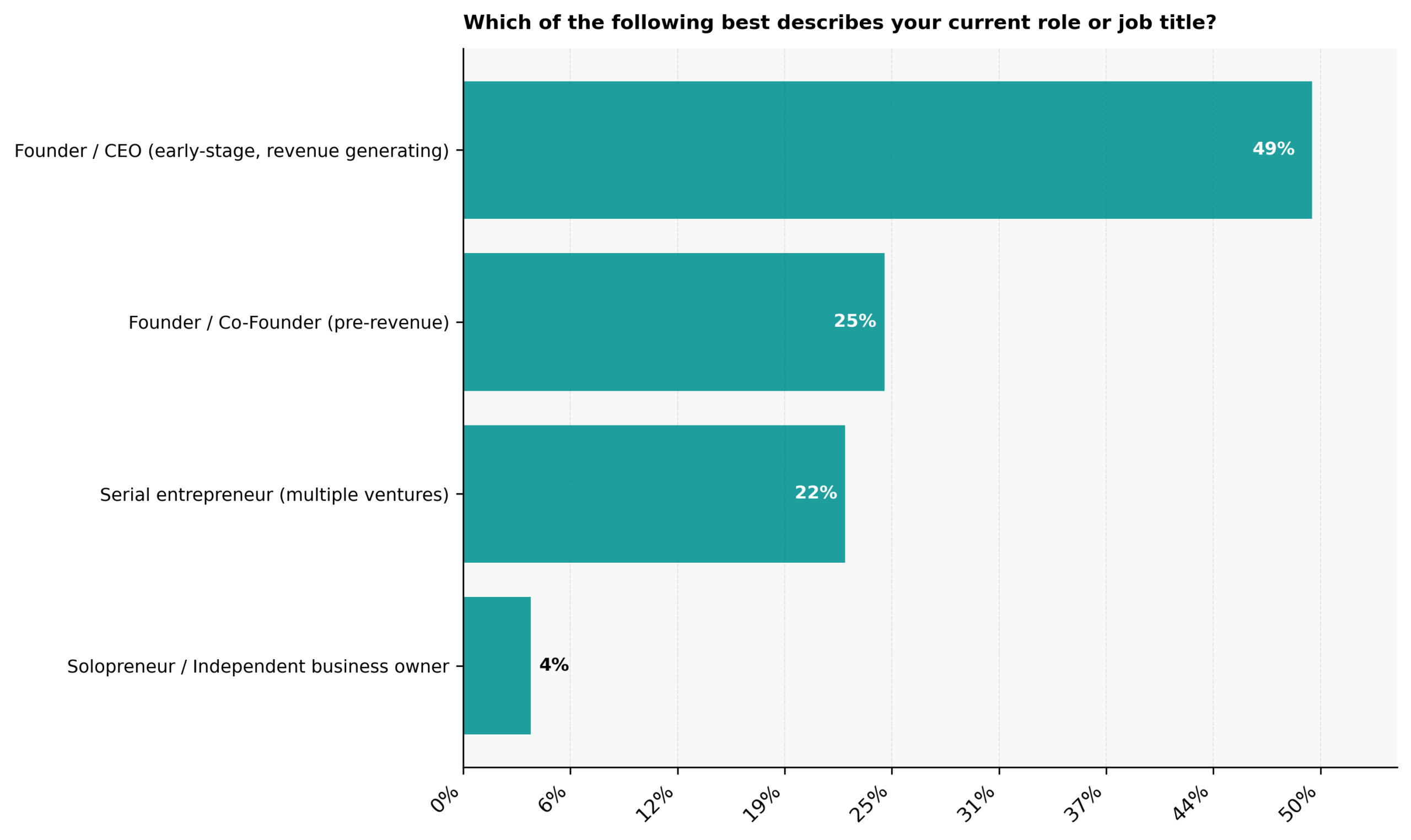
A closer look at our audience’s demographics shows that nearly half (49%) are founders or CEOs of early-stage, revenue-generating businesses. A quarter are the founders or co-founders of startups in their pre-revenue stages, and 22% are entrepreneurs running and growing several ventures simultaneously.
The remaining 4% are independent business owners and solopreneurs, highlighting that while the majority of our audience operates at a high-growth or multi-business level, there is still a segment focused on building and sustaining single ventures independently. Combined, this mix reflects a highly driven, growth-oriented audience with varying stages of business maturity but a shared focus on scaling success.
Which Best Describes Founder Entrepreneurs In Our Audience’s Industry Or Sector?
For 94% of our audience, healthcare or biotech best describes the industry or sector they operate in
One industry stands out above the rest:
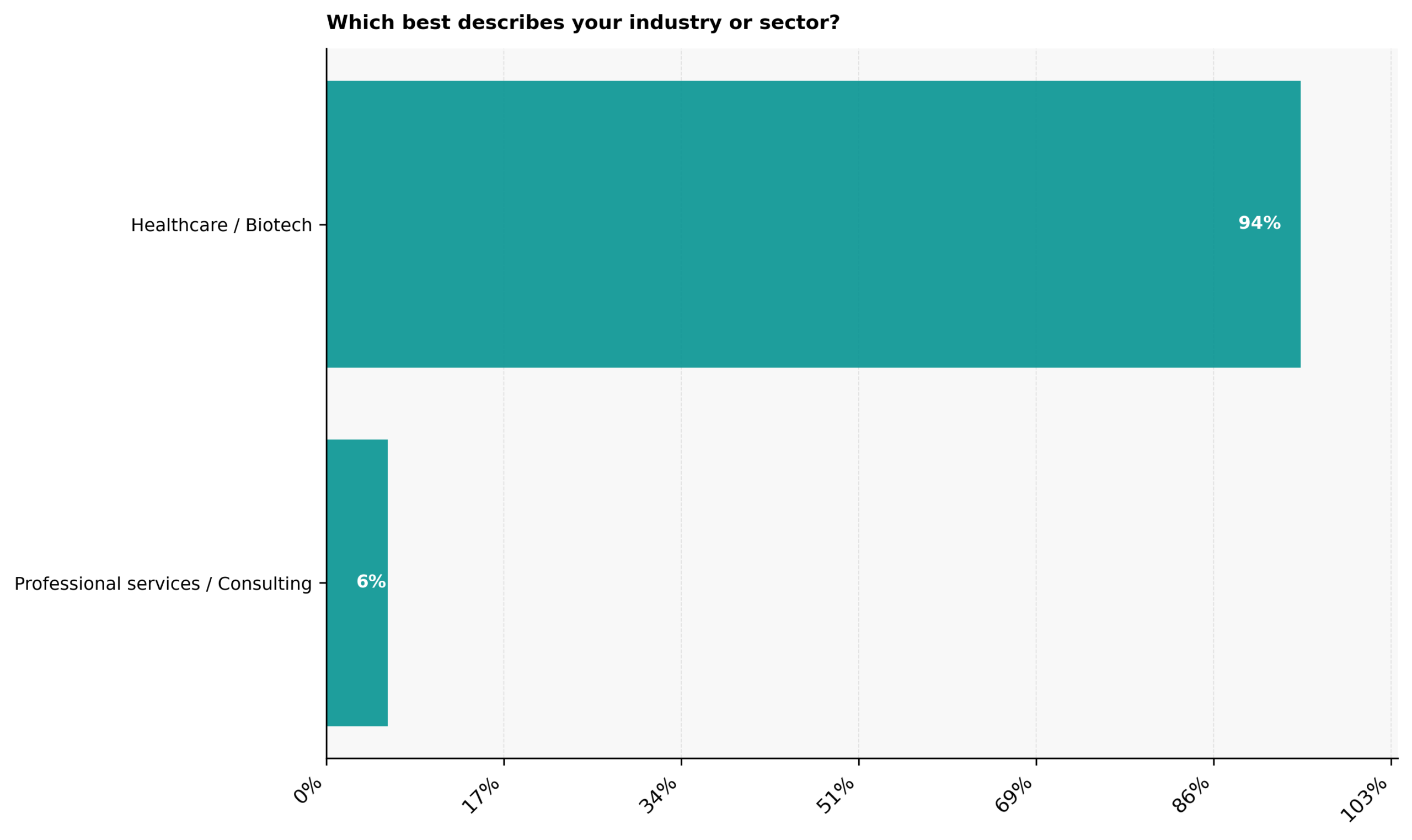
The vast majority of our audience consisted of healthcare and biotech entrepreneurs, who accounted for 94% of opinions sampled. With biotech and health companies securing more than $5.6 billion across 110 Series A funding rounds in 2024 alone (53% of all Series A-stage funding), the data points to this sector as one of the fastest-growing in the United States in recent years.
The remaining 6% of our audience leads consulting and professional services startups across the management, technology, IT, financial, design, and legal subsectors. This reveals a gap that points to an opportunity for broader cross-industry insights, suggesting that while healthcare and biotech are dominating current growth and investment, other sectors may be underrepresented in conversations around innovation, funding strategies, and scalable business models.
Which City Or Metro Area Are The Founder Entrepreneurs In Our Audience Based In?
San Francisco leads with 46% of founder entrepreneurs
Nearly half our audience is based in one location:
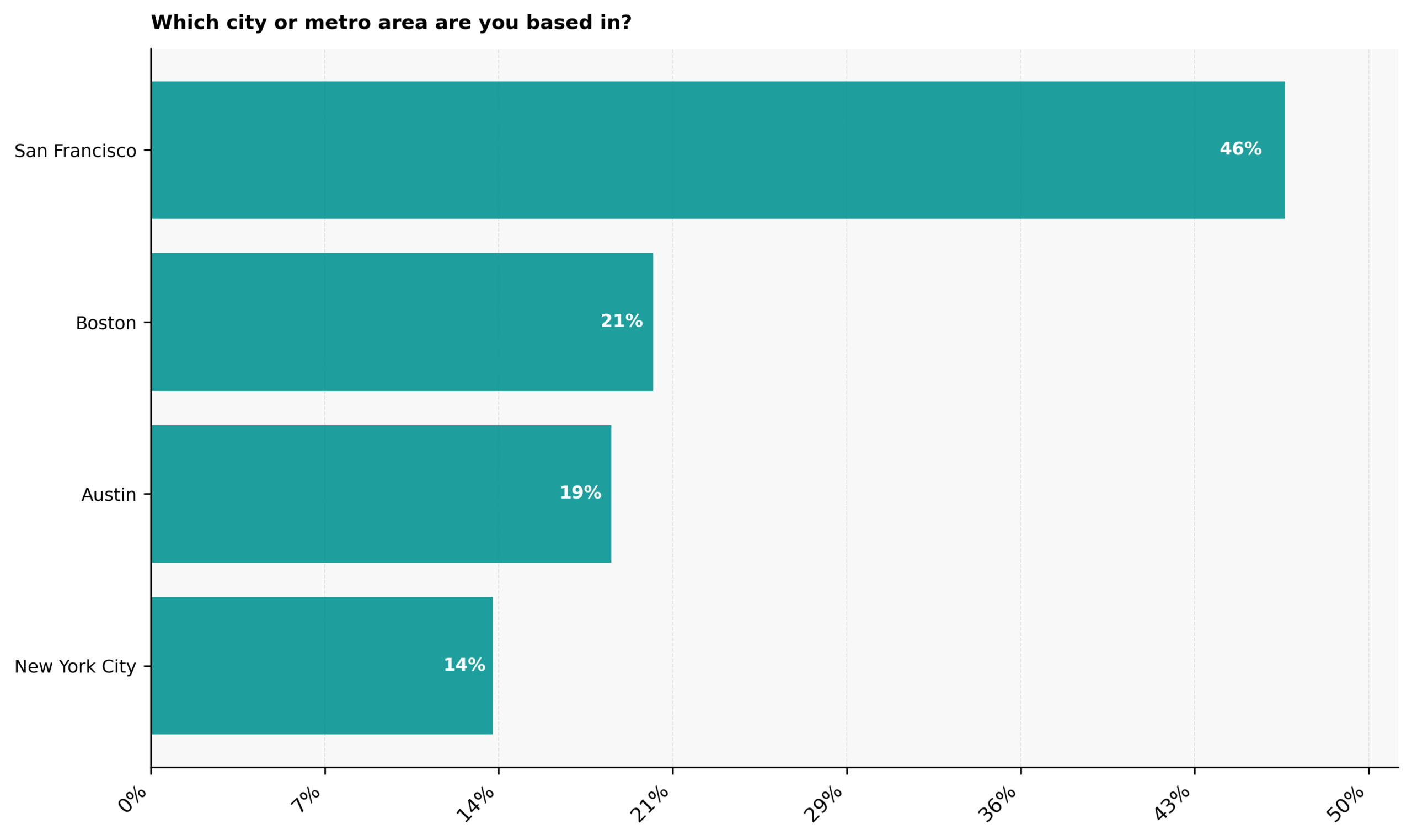
The founder entrepreneurs in our audience are primarily based in major US cities with high concentrations of venture capital, notable dominance in key tech sectors, and renowned accelerator ecosystems.
46% reside in San Francisco, CA, the country’s dominant venture capital market, and 21% are based in Boston, MA. A further 19% call Austin, TX, home, and 14% live in New York City, NY, which has long maintained its status as the second-leading venture capital hub in the United States. These numbers are not a surprise.
Each of these cities continues to attract high-growth startups, experienced founders, and significant investor activity. This creates ecosystems where access to funding, talent, and mentorship is more readily available than in other regions.
Where Business Acceleration Is Headed Next
Criteria for choosing the right business accelerator has extended beyond brand recognition or access to funding to finding a program that delivers real, measurable transformation. Founder entrepreneurs are becoming more selective, prioritizing programs that combine strategic clarity, practical execution, and personal development.
There’s also a clear shift toward structured, immersive experiences that allow participants to actively engage, collaborate, and receive direct feedback, rather than relying on passive learning. Trust now also plays a central role in decision-making. Entrepreneurs are placing greater value on proven outcomes, transparent program structures, and authentic insights from past participants.
Ultimately, the most effective accelerator programs are those that align with business goals and personal growth, bridge the gap between mindset and strategy, and deliver consistent, long-term results.
About the Data
Sourced using Artios from an independent sample of 50,991 opinions of founder entrepreneurs in the USA across X, Quora, Reddit, Bluesky, TikTok, and Threads. Responses are collected within a 95% confidence interval and 5% margin of error. Results are derived from what people describe online, from opinions expressed online, and not actual questions answered by people in the sample.